
















2026 PIPET
2026-06-11Company News
On June 11, the Second International Forum on Parasitic Infection and Parasite Examination Techniques (PIPET)—a special session of the Capital International Medical Conference hosted by the Chinese Hospital Association—convened in Xi'an. Under the theme "AI and Parasitic Infections," the forum brought together leading experts from diverse fields to discuss frontier issues in global parasitic disease prevention and control, while showcasing China's AI-powered diagnostic expertise as a contribution to global collaborative efforts.
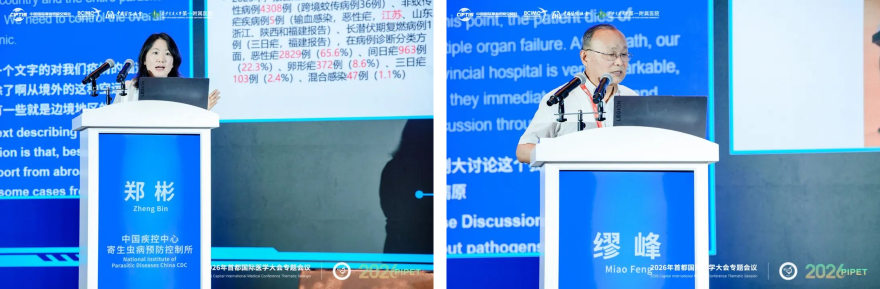
Keynote speakers drew on global epidemiological data, regional control status, and clinical case studies. Zheng Bin, Deputy Director of the National Institute of Parasitic Diseases at the Chinese CDC, noted that while China has achieved remarkable results in controlling key parasitic diseases, these gains must be sustained through improved surveillance, strengthened four-tier response teams, and enhanced diagnostic and monitoring networks. Professor Miao Feng from the Shandong Institute of Parasitic Diseases emphasized that morphological identification must be combined with epidemiological history, clinical symptoms, and auxiliary examinations for accurate diagnosis of rare and imported cases.
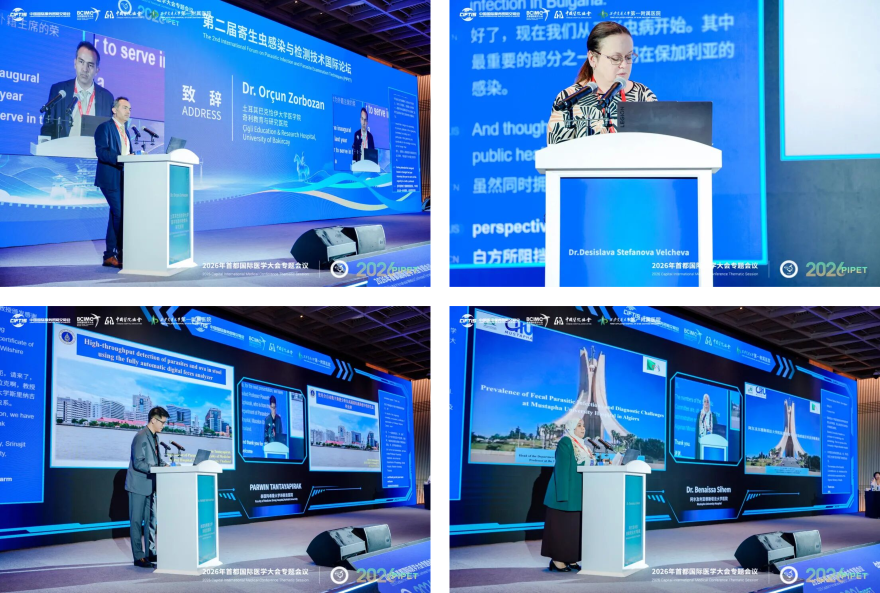
International experts shared regional experiences. Dr. Orçun Zorbozan , Foreign Chair of the forum from Baskent University in Türkiye, noted that AI is driving profound changes in clinical testing and called for long-term international collaboration. Dr. Desislava Stefanova Velcheva from CibaLab in Bulgaria stressed the need to strengthen diagnostic capacity for imported and tropical parasitic diseases. Dr. Parwin Tantyapirak from Siriraj Hospital, Mahidol University in Thailand, presented research on the FA280 fully automated digital fecal analyzer, highlighting its suitability for large-scale screening. Dr. Benaissa Sihem from Mustapha University Hospital in Algeria noted that traditional methods remain subjective and should be complemented by higher-sensitivity technologies.
In the roundtable discussion moderated by Wang Jianbiao of Ruijin Hospital, experts agreed that AI significantly improves testing efficiency but faces challenges including high equipment costs, incomplete databases, and difficulties identifying rare species. They reached a consensus that AI will gradually take over repetitive tasks, but final clinical decisions must remain under human oversight.