
















2025 PIPET
2025-09-11Company News
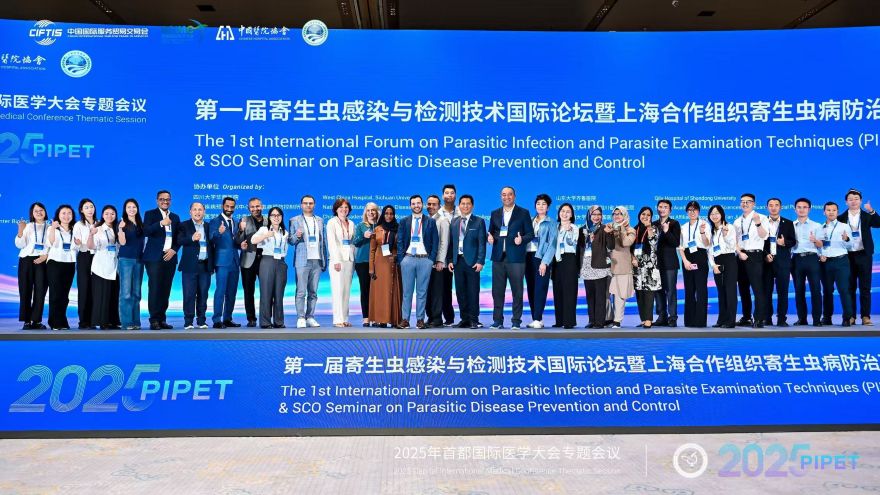
On September 11, 2025, the First International Forum on Parasitic Infection and Parasite Examination Techniques (PIPET) & SCO Seminar on Parasitic Disease Prevention and Control convened successfully in Chengdu, Sichuan Province. Organized by the Chinese Hospital Association, the event served as a specialized session of the Capital International Medical Conference, bringing together hospital administrators, industry experts, and healthcare leaders from around the world to share insights on diagnostic strategies, technological applications, and practical experience in the fight against parasitic diseases — with the shared vision of building a healthier world free from parasitic infections.
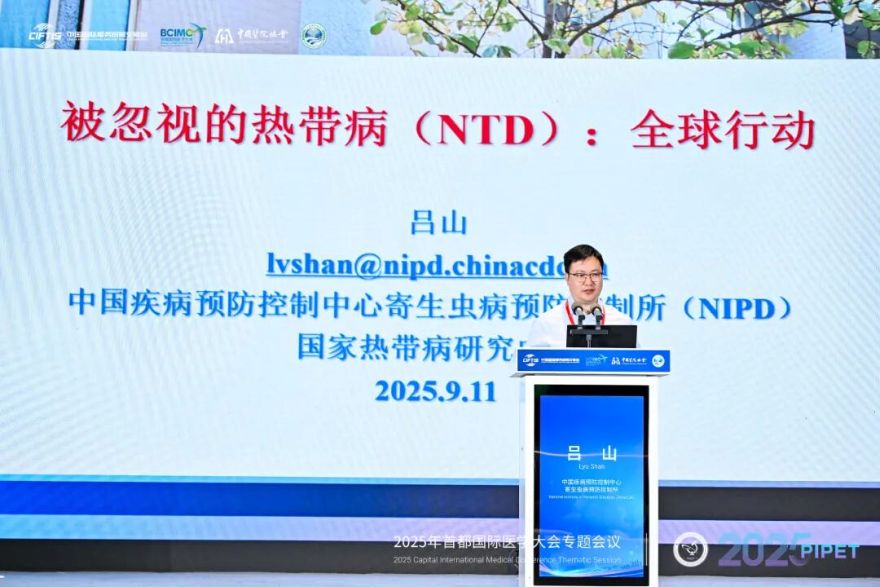
In the opening keynote, Researcher Lü Shan of the National Institute of Parasitic Diseases (NIPD) at the Chinese CDC presented "Neglected Tropical Diseases: A Global Call to Action," noting that roughly one billion people are affected by NTDs, 1.5 billion require annual intervention, and 120,000 deaths occur each year — underscoring the need for sustained investment and international coordination.
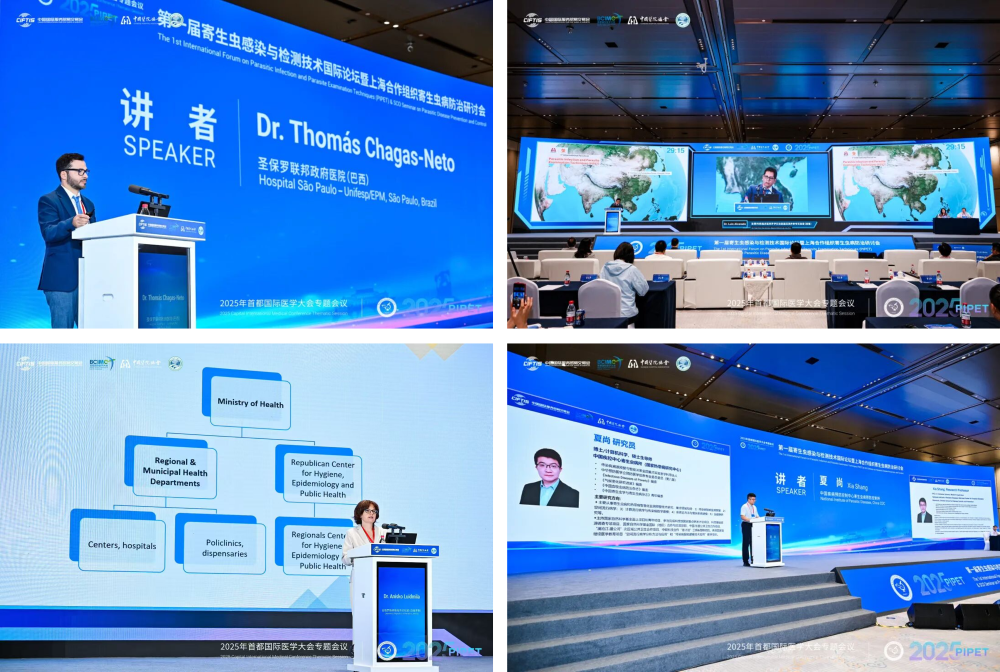
Speakers from Brazil, Peru, and Belarus shared national perspectives. Dr. Thomás Chagas-Neto of São Paulo's Federal Government Hospital stressed that parasitological testing is critical for diagnosis and control, especially amid uneven laboratory resources and limited specialized training. Dr. Luis Alvarado of Peru's San Felipe Clinical Hospital noted that intestinal parasitic diseases remain a major public health concern, particularly in rural, Amazonian, and highland areas. Dr. Anisko Luidmila of Minsk Laboratory reported that Belarus, where most malaria cases are imported, uses automated detection for high-risk screening and maintains low infection rates through coordinated public health efforts.
A clear convergence emerged: parasitic diseases are universally significant public health issues, with countries sharing common needs — insufficient laboratory resources, skilled-professional shortages, and demand for effective technologies and targeted strategies. Researcher Xia Shang of NIPD presented China's "one disease, one strategy" approach, its smart surveillance system, and its strategic shift from treatment to prevention, offering a reference model for global control efforts.
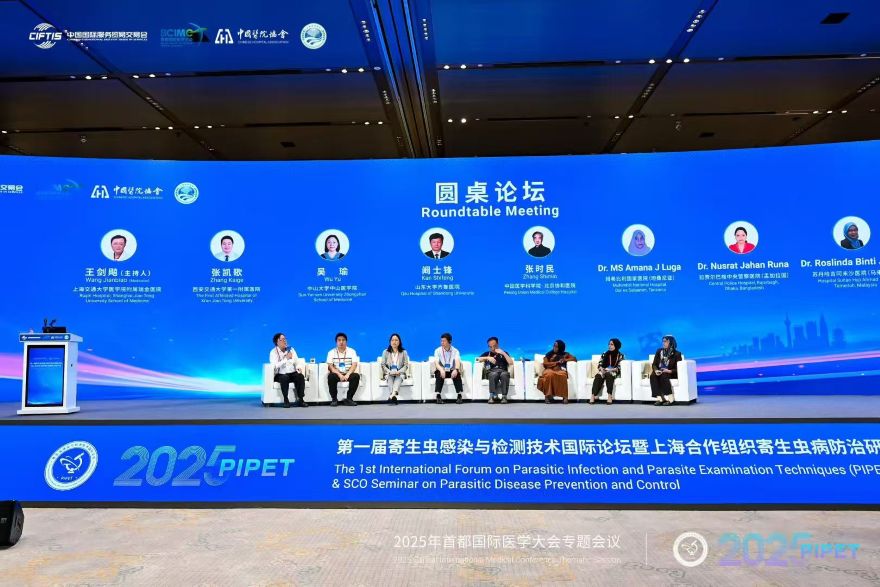
The closing roundtable proposed establishing an international parasite specimen bank and morphological database, leveraging AI and internet technologies for cross-border knowledge sharing and precise pathogen identification, and advancing dynamic detection methods to enhance automation and intelligence in parasitological testing.
As the forum highlighted, AI-powered technologies and automated laboratory detection are already supporting early detection, accurate diagnosis, and efficient treatment of parasitic diseases — with "Chinese expertise" and "Chinese intelligent manufacturing" contributing to global health.
Source: the First International Forum on Parasitic Infection and Parasite Examination Techniques (PIPET) & SCO Seminar on Parasitic Disease Prevention and Control, organized by the Chinese Hospital Association, Chengdu, September 11, 2025.